Jyana: The Three Faces of Knowledge
Jyana: The Three Faces of Knowledge
16 articles found
This collection of 16 articles explores the multifaceted dimensions of vedanta, bringing together insights from philosophy, consciousness studies, and practical spiritual wisdom.
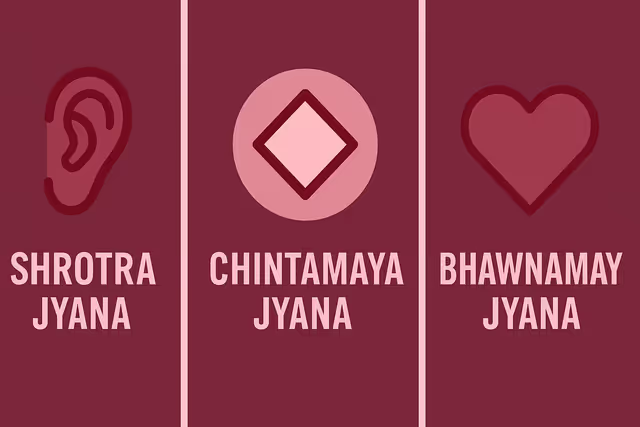
Jyana: The Three Faces of Knowledge
%22%2F%3E%0A%20%20%20%20%20%20%3Cg%3E%0A%20%20%20%20%20%20%20%20%0A%20%20%20%20%20%20%20%20%3Cpolygon%20points%3D%220%2C0%2050%2C30%2050%2C70%200%2C100%22%20fill%3D%22%23fa709a%22%20opacity%3D%220.7%22%2F%3E%0A%20%20%20%20%20%20%20%20%3Cpolygon%20points%3D%2250%2C30%20100%2C0%20100%2C100%2050%2C70%22%20fill%3D%22%23fee140%22%20opacity%3D%220.6%22%2F%3E%0A%20%20%20%20%20%20%20%20%3Ccircle%20cx%3D%2250%22%20cy%3D%2250%22%20r%3D%2220%22%20fill%3D%22%2330cfd0%22%20opacity%3D%220.8%22%2F%3E%0A%20%20%20%20%20%20%0A%20%20%20%20%20%20%3C%2Fg%3E%0A%20%20%20%20%20%20%3Crect%20width%3D%22100%22%20height%3D%22100%22%20fill%3D%22url(%23grad)%22%20opacity%3D%220.3%22%20filter%3D%22url(%23noise)%22%2F%3E%0A%20%20%20%20%3C%2Fsvg%3E%0A%20%20)
Discover the Sapta Chiranjivis—the seven immortals of Hindu tradition. Learn why they represent dimensions of consciousness that never die: mind mastery, karmic wisdom, dharmic conscience, equanimity, and righteous action. A complete guide to the faculties that make us fully human.
%22%2F%3E%0A%20%20%20%20%20%20%3Cg%3E%0A%20%20%20%20%20%20%20%20%0A%20%20%20%20%20%20%20%20%3Ccircle%20cx%3D%2215%22%20cy%3D%2215%22%20r%3D%228%22%20fill%3D%22%23f857a6%22%20opacity%3D%220.8%22%2F%3E%0A%20%20%20%20%20%20%20%20%3Ccircle%20cx%3D%2235%22%20cy%3D%2225%22%20r%3D%226%22%20fill%3D%22%23ff5858%22%20opacity%3D%220.7%22%2F%3E%0A%20%20%20%20%20%20%20%20%3Ccircle%20cx%3D%2225%22%20cy%3D%2245%22%20r%3D%227%22%20fill%3D%22%23feca57%22%20opacity%3D%220.6%22%2F%3E%0A%20%20%20%20%20%20%20%20%3Ccircle%20cx%3D%2255%22%20cy%3D%2235%22%20r%3D%229%22%20fill%3D%22%23f857a6%22%20opacity%3D%220.5%22%2F%3E%0A%20%20%20%20%20%20%20%20%3Ccircle%20cx%3D%2265%22%20cy%3D%2260%22%20r%3D%2210%22%20fill%3D%22%23ff5858%22%20opacity%3D%220.7%22%2F%3E%0A%20%20%20%20%20%20%20%20%3Ccircle%20cx%3D%2245%22%20cy%3D%2270%22%20r%3D%228%22%20fill%3D%22%23feca57%22%20opacity%3D%220.6%22%2F%3E%0A%20%20%20%20%20%20%20%20%3Ccircle%20cx%3D%2275%22%20cy%3D%2220%22%20r%3D%227%22%20fill%3D%22%23f857a6%22%20opacity%3D%220.8%22%2F%3E%0A%20%20%20%20%20%20%20%20%3Ccircle%20cx%3D%2285%22%20cy%3D%2245%22%20r%3D%226%22%20fill%3D%22%23ff5858%22%20opacity%3D%220.5%22%2F%3E%0A%20%20%20%20%20%20%20%20%3Ccircle%20cx%3D%2280%22%20cy%3D%2275%22%20r%3D%229%22%20fill%3D%22%23feca57%22%20opacity%3D%220.7%22%2F%3E%0A%20%20%20%20%20%20%0A%20%20%20%20%20%20%3C%2Fg%3E%0A%20%20%20%20%20%20%3Crect%20width%3D%22100%22%20height%3D%22100%22%20fill%3D%22url(%23grad)%22%20opacity%3D%220.3%22%20filter%3D%22url(%23noise)%22%2F%3E%0A%20%20%20%20%3C%2Fsvg%3E%0A%20%20)
Explore the Shad Darshanas—the six orthodox schools of Indian philosophy (Nyaya, Vaisheshika, Samkhya, Yoga, Mimamsa, Vedanta). Understand how these systems form a ladder of understanding from logic and atoms to dualism and non-dual realization.
%22%2F%3E%0A%20%20%20%20%20%20%3Cg%3E%0A%20%20%20%20%20%20%20%20%0A%20%20%20%20%20%20%20%20%3Ccircle%20cx%3D%2220%22%20cy%3D%2220%22%20r%3D%2240%22%20fill%3D%22%23667eea%22%20opacity%3D%220.6%22%2F%3E%0A%20%20%20%20%20%20%20%20%3Ccircle%20cx%3D%2280%22%20cy%3D%2280%22%20r%3D%2250%22%20fill%3D%22%23764ba2%22%20opacity%3D%220.5%22%2F%3E%0A%20%20%20%20%20%20%20%20%3Ccircle%20cx%3D%2250%22%20cy%3D%2250%22%20r%3D%2235%22%20fill%3D%22%23f093fb%22%20opacity%3D%220.4%22%2F%3E%0A%20%20%20%20%20%20%0A%20%20%20%20%20%20%3C%2Fg%3E%0A%20%20%20%20%20%20%3Crect%20width%3D%22100%22%20height%3D%22100%22%20fill%3D%22url(%23grad)%22%20opacity%3D%220.3%22%20filter%3D%22url(%23noise)%22%2F%3E%0A%20%20%20%20%3C%2Fsvg%3E%0A%20%20)
Explore the six Pramanas—India's comprehensive epistemological framework for validating knowledge. Discover how perception, inference, testimony, comparison, presumption, and non-cognition work together to establish truth, and why this ancient system remains relevant for evaluating AI, science, and spiritual claims.
%22%2F%3E%0A%20%20%20%20%20%20%3Cg%3E%0A%20%20%20%20%20%20%20%20%0A%20%20%20%20%20%20%20%20%3Cellipse%20cx%3D%2230%22%20cy%3D%2230%22%20rx%3D%2240%22%20ry%3D%2225%22%20fill%3D%22%2330cfd0%22%20opacity%3D%220.6%22%20transform%3D%22rotate(45%2030%2030)%22%2F%3E%0A%20%20%20%20%20%20%20%20%3Cellipse%20cx%3D%2270%22%20cy%3D%2270%22%20rx%3D%2235%22%20ry%3D%2245%22%20fill%3D%22%23330867%22%20opacity%3D%220.5%22%20transform%3D%22rotate(-30%2070%2070)%22%2F%3E%0A%20%20%20%20%20%20%20%20%3Crect%20x%3D%2240%22%20y%3D%2240%22%20width%3D%2220%22%20height%3D%2220%22%20fill%3D%22%237f53ac%22%20opacity%3D%220.7%22%20rx%3D%225%22%2F%3E%0A%20%20%20%20%20%20%0A%20%20%20%20%20%20%3C%2Fg%3E%0A%20%20%20%20%20%20%3Crect%20width%3D%22100%22%20height%3D%22100%22%20fill%3D%22url(%23grad)%22%20opacity%3D%220.3%22%20filter%3D%22url(%23noise)%22%2F%3E%0A%20%20%20%20%3C%2Fsvg%3E%0A%20%20)
Explore the core framework of Indian Knowledge System—how all reality emerges as duality from Shunya (zero). Understand the number line as a map of existence, why polarities are complementary not contradictory, and how this framework applies from physics to consciousness.
%22%2F%3E%0A%20%20%20%20%20%20%3Cg%3E%0A%20%20%20%20%20%20%20%20%0A%20%20%20%20%20%20%20%20%3Cpath%20d%3D%22M0%2C50%20Q25%2C30%2050%2C50%20T100%2C50%20L100%2C100%20L0%2C100%20Z%22%20fill%3D%22url(%23grad)%22%20opacity%3D%220.7%22%2F%3E%0A%20%20%20%20%20%20%20%20%3Cpath%20d%3D%22M0%2C70%20Q25%2C50%2050%2C70%20T100%2C70%20L100%2C100%20L0%2C100%20Z%22%20fill%3D%22%2334A853%22%20opacity%3D%220.5%22%2F%3E%0A%20%20%20%20%20%20%0A%20%20%20%20%20%20%3C%2Fg%3E%0A%20%20%20%20%20%20%3Crect%20width%3D%22100%22%20height%3D%22100%22%20fill%3D%22url(%23grad)%22%20opacity%3D%220.3%22%20filter%3D%22url(%23noise)%22%2F%3E%0A%20%20%20%20%3C%2Fsvg%3E%0A%20%20)
Explore the Indian Knowledge System (IKS)—a comprehensive framework understanding reality from Sthool (gross) to Sukshma (subtle). Discover how Dharma differs from religion, why India fostered 100+ spiritual paths, and how duality, Vak (sound), and Shoonyata form the foundation of all knowledge—from ancient wisdom to modern AI and coding.

Explore the profound wisdom of Kenopanishad—one of the 10 primary Upanishads. Discover the nature of consciousness and the ultimate reality (Brahman).

Discover Jnana Yoga as the most direct path to self-realization—not through belief but through direct knowing. Learn how discriminative wisdom (Viveka) dissolves the illusion of separation, why 'Tat Tvam Asi' ends the evolutionary journey, and how to use the Ajna and Sahasrara chakras for liberation.

Explore Vivekachudamani—"The Crest Jewel of Discernment" by Adi Shankaracharya. An essential guide to the path of self-realization through discriminative wisdom.

Explore Chitta (चित्त) - the subconscious mind in Indian philosophy. Understand how it stores memories and influences perception and decision-making.
अहंकार (Ahamkara) literally translates to "I-maker" in Sanskrit.

Explore Manas (मनस) - the thinking mind in Vedantic philosophy. Understand its role in the Antahkarana and its significance for self-realization.
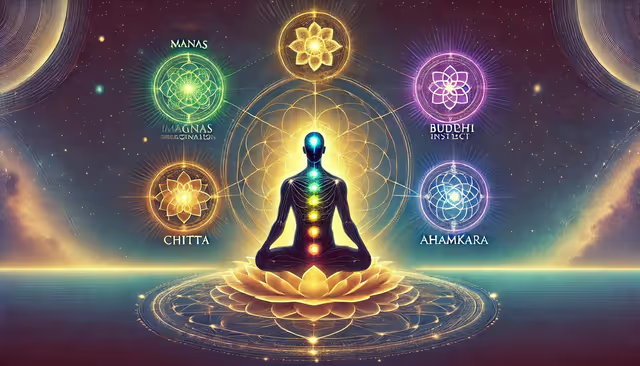
Explore the Antahkarana (inner instrument) and its fourfold division—Manas, Buddhi, Chitta, and Ahamkara—as described in Vedantasara.

Explore the five types of Mukti in Hindu philosophy—different aspects of liberation emphasizing proximity, union, or participation in divine glory.

interconnected knowledge graph of Indian philosophy. It highlights the core concepts and schools in a visually engaging and harmonious layout.
%22%2F%3E%0A%20%20%20%20%20%20%3Cg%3E%0A%20%20%20%20%20%20%20%20%0A%20%20%20%20%20%20%20%20%3Ccircle%20cx%3D%2220%22%20cy%3D%2220%22%20r%3D%2240%22%20fill%3D%22%23ec77ab%22%20opacity%3D%220.6%22%2F%3E%0A%20%20%20%20%20%20%20%20%3Ccircle%20cx%3D%2280%22%20cy%3D%2280%22%20r%3D%2250%22%20fill%3D%22%237f7fd5%22%20opacity%3D%220.5%22%2F%3E%0A%20%20%20%20%20%20%20%20%3Ccircle%20cx%3D%2250%22%20cy%3D%2250%22%20r%3D%2235%22%20fill%3D%22%2391eac9%22%20opacity%3D%220.4%22%2F%3E%0A%20%20%20%20%20%20%0A%20%20%20%20%20%20%3C%2Fg%3E%0A%20%20%20%20%20%20%3Crect%20width%3D%22100%22%20height%3D%22100%22%20fill%3D%22url(%23grad)%22%20opacity%3D%220.3%22%20filter%3D%22url(%23noise)%22%2F%3E%0A%20%20%20%20%3C%2Fsvg%3E%0A%20%20)
Discover Swaroop (स्वरूप)—your true nature that all yoga paths lead to. Learn why self-realization isn't becoming something new but recognizing what you always were, and how every spiritual practice points to this single recognition.